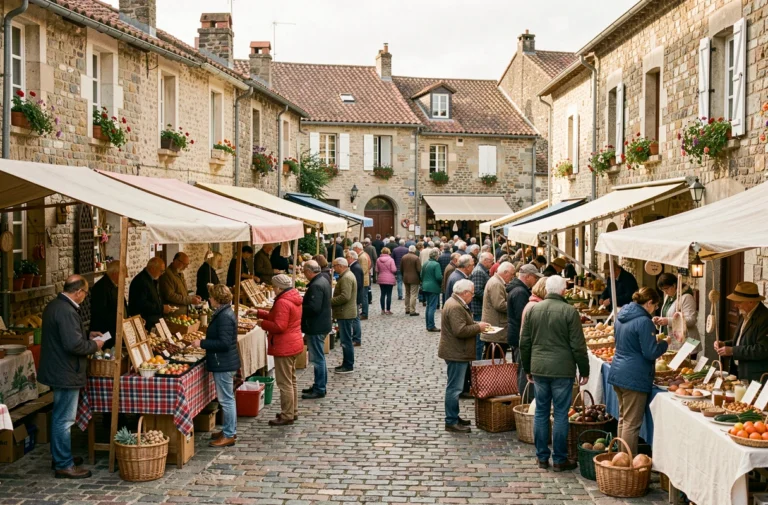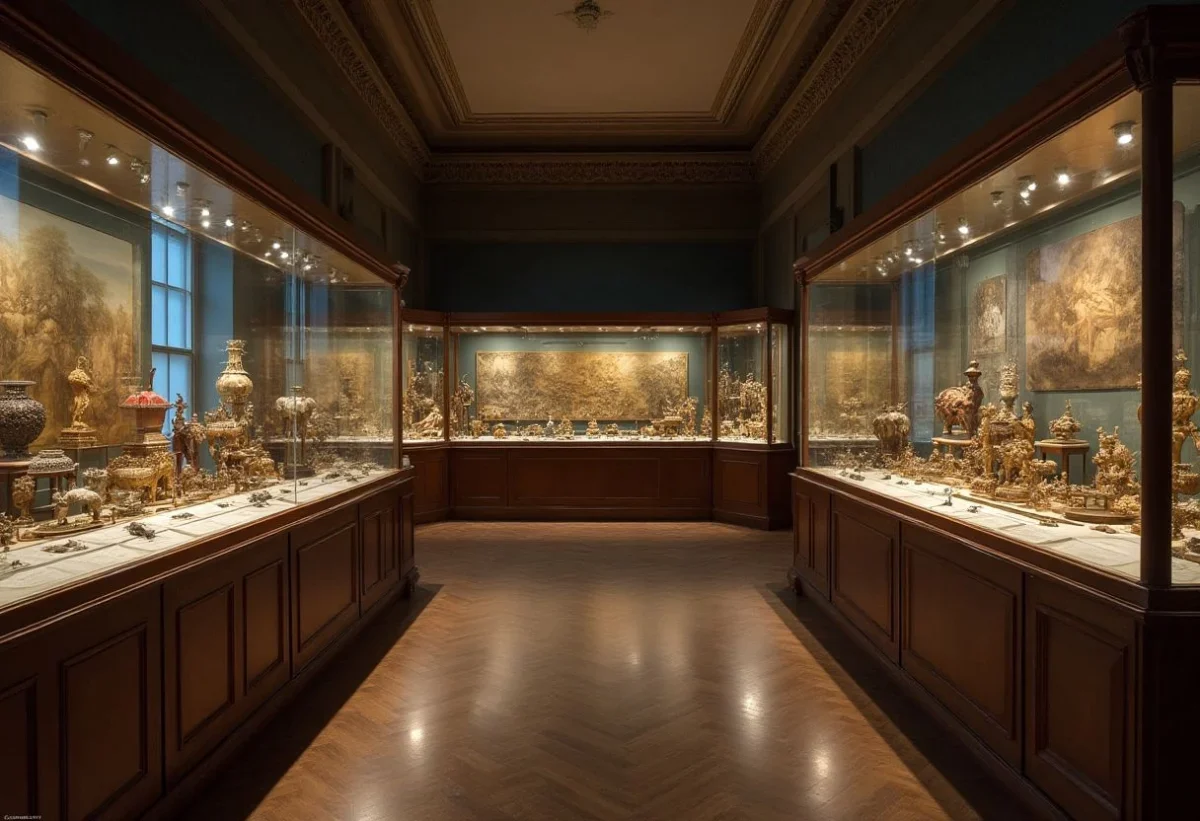
Heritage, as a fundamental concept of our collective identity, proves to be a complex and multifaceted notion that extends well beyond the simple conservation of relics from the past. This term evokes images of ancestral castles, picturesque landscapes, and age-old traditions, but it also encompasses intangible aspects such as customs, languages, and know-how. Each element of our heritage tells a story, a shared memory that shapes our present and inspires our future. Preserving this heritage is not just a matter of safeguarding history; it involves understanding and valuing these legacies to build a richer and more diverse world.
The Different Forms of Heritage
Heritage can take various forms, each with its own specificities and importance for the culture and history of a nation.
Firstly, material cultural heritage includes monuments, archaeological sites, and works of art that serve as tangible witnesses to our past. These elements are often protected by laws and international conventions, such as the UNESCO World Heritage Convention, which aims to preserve sites of outstanding universal value.
On the other hand, intangible heritage includes oral traditions, rituals, music, and know-how that are passed down from generation to generation. This type of heritage plays a crucial role in preserving cultural identity and strengthening social bonds within communities.
- Industrial heritage, often overlooked, encompasses the remnants of the industrial era such as old factories, railways, and machines that testify to the technological and social advancements of the past.
- Biodiversity and natural landscapes also constitute a form of heritage, representing the richness of our environment and the ecosystems that need to be protected for future generations.
The Preservation and Promotion of Heritage
Ensuring the sustainability of heritage is a complex task that requires a multidisciplinary approach and global cooperation.
- Legislation plays a crucial role in the protection of heritage. National laws and international conventions establish legal frameworks for the conservation of precious sites and objects. For example, France has implemented numerous measures to classify and protect its historic monuments.
- Conservation experts use sophisticated techniques to restore and maintain heritage objects in their original state. This often requires in-depth knowledge of the materials and methods of the time.
- Public awareness is essential to encourage active citizen participation in the preservation of their heritage. Educational efforts, such as heritage days and exhibitions, help bring the public closer to their history and environment.
- New technologies offer innovative tools for the preservation and promotion of heritage. Digitization and 3D modeling, for example, allow for the documentation and access to heritage treasures in unprecedented ways.
The Economic and Social Impact of Heritage
Beyond its cultural value, heritage also has a significant impact on social and economic levels, contributing to the sustainable development of regions.
Indeed, heritage tourism is an important source of income for many regions, generating jobs and stimulating the local economy. Visitors, attracted by the richness of the heritage, contribute to the vitality of towns and villages. The importance of this tourist influx is such that many municipalities invest in the restoration and promotion of their heritage to attract even more visitors.
On a social level, heritage strengthens the sense of belonging and pride within communities. It offers a gathering point where individuals can connect with their past and share common experiences. Heritage also fosters intercultural dialogue and tolerance, allowing people to discover and appreciate cultures different from their own.
The Current Challenges of Heritage Conservation
In our modern world, heritage faces a series of challenges that threaten its long-term preservation.
Climate change poses a major danger to many heritage sites due to extreme weather phenomena and rising waters. Efforts to adapt and protect these sites are increasingly necessary. Furthermore, rapid urbanization and industrial development, if uncontrolled, can lead to the destruction or alteration of historical sites. Sustainable development policies must therefore integrate measures for heritage protection.
Access to financial resources and appropriate technologies is often limited, especially in developing countries. Funding and technical expertise are essential to ensure the effective conservation of sites. Finally, the illicit trafficking of artworks and antiquities continues to pose a major challenge to heritage protection. Concerted efforts between governments and international organizations are crucial to combat this scourge.
It is essential to recognize the importance of heritage in all its forms, whether through legislation, educational initiatives, or international partnerships. By exploring strategies such as patrimy, we can build a future where the past continues to enrich our present and positively influence our future.