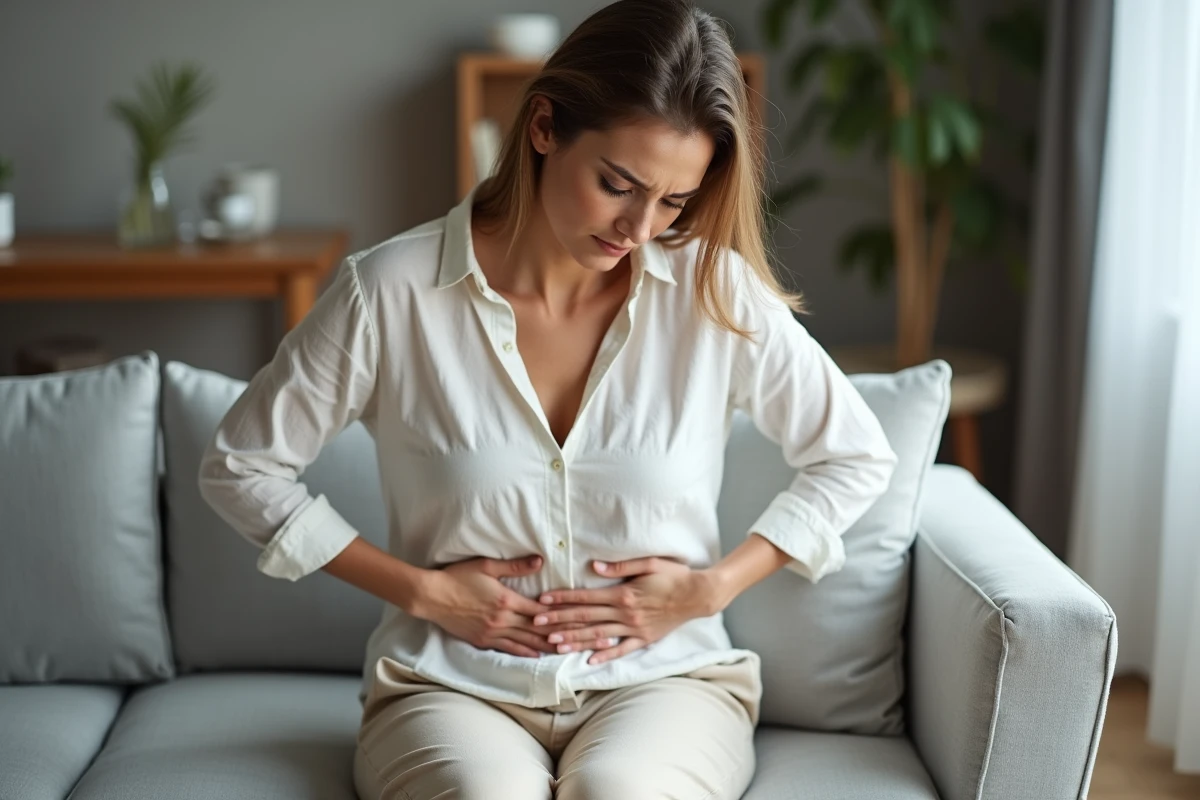
After a meal, the stomach tightens, becomes hard, and can sometimes be painful to the touch. This sensation of abdominal bloating affects a large part of the population, often on a recurring basis. Understanding the source of this bloated and painful stomach allows for targeted action, without randomly trying various remedies.
Ultra-processed foods and the microbiome: an underestimated link with bloating
Have you noticed that bloating occurs more often after an industrially prepared dish than after a homemade meal? This is not a coincidence.
Research conducted by INRAE and Inserm between 2022 and 2024 shows that ultra-processed foods alter the composition of the gut microbiome. Emulsifying additives, sweeteners, and polyols disrupt the balance of digestive bacteria. The result: more gas, abdominal pain, and a feeling of bloating, even in individuals with no known digestive disorders.
The key point: these symptoms appear regardless of the amount of FODMAPs consumed. In other words, reducing onions or wheat is not enough if the rest of the diet remains ultra-processed. Ready meals, industrial sauces, protein bars, “zero” sodas: these food products directly contribute to excessive intestinal fermentation.
To better understand the causes of a bloated and painful stomach, one must look beyond just the classic fermentable foods and examine the overall quality of what we eat.
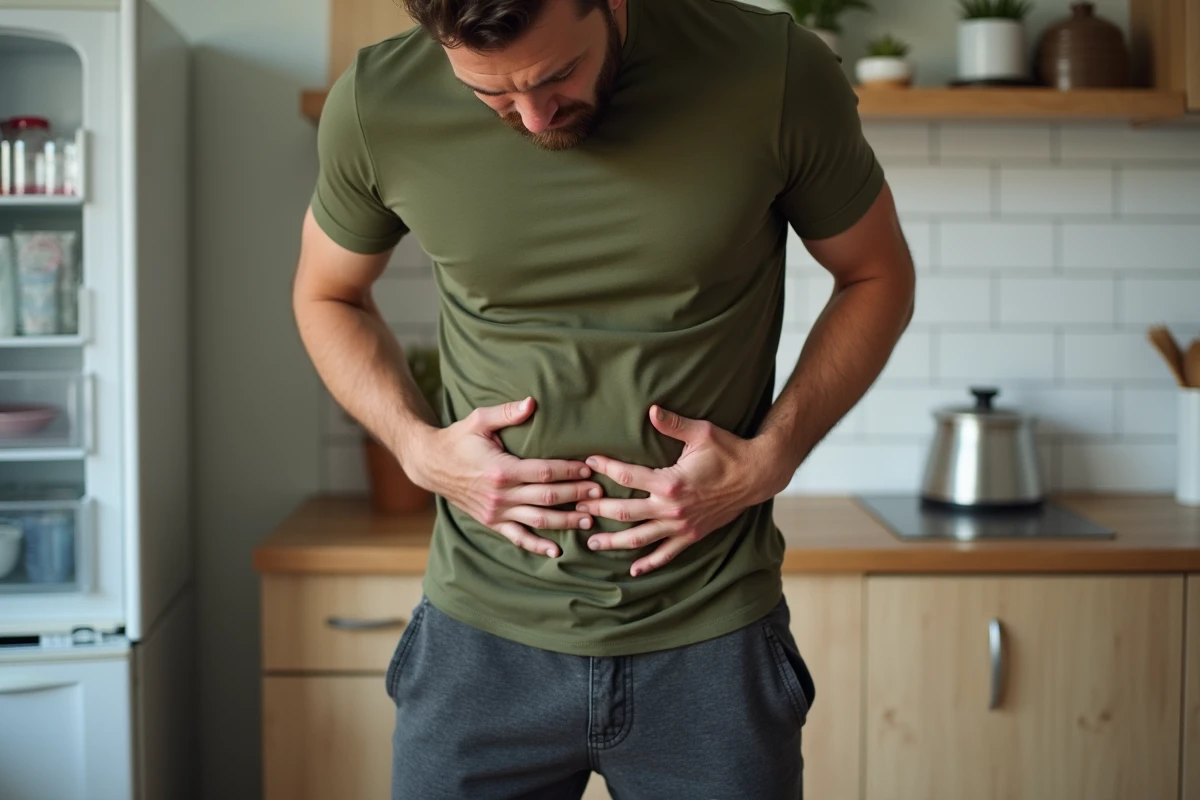
Pelvic floor dyssynergy: when the stomach remains bloated despite a good diet
Some individuals change their diet, take probiotics, limit stress, yet their stomach remains hard and painful. In these resistant cases, the problem does not always originate from the digestive tract itself.
Gastroenterology teams, particularly at the Cleveland Clinic and AP-HP, describe a mechanism often overlooked: pelvic floor dyssynergy. This refers to poor coordination of the muscles that allow for the expulsion of gas and stool. The body produces gas normally but fails to expel it properly.
How this disorder manifests
The person feels a very bloated stomach, diffuse pain, and constipation that does not respond to conventional laxatives. The bloating worsens throughout the day. This disorder is measured through specialized tests (anorectal manometry, defecography), prescribed by a gastroenterologist.
Targeted pelvic rehabilitation is the reference treatment for this type of bloating. A specialized physiotherapist guides the patient to relearn muscle coordination. Results typically appear within a few weeks of regular practice.
Cyclic bloating in women: consider endometriosis
Do you notice that your stomach swells predictably, always at the same times during your menstrual cycle? This cyclical pattern deserves special attention.
HAS, in its 2022 recommendations, and associations like EndoFrance emphasize that endometriosis frequently causes functional digestive symptoms. Bloating, lower abdominal pain, transit disorders: these signs are often mistakenly attributed to irritable bowel syndrome.
The diagnostic delay for endometriosis remains long, partly because digestive symptoms are not spontaneously linked to a gynecological cause. If the bloated and painful stomach returns cyclically, in connection with menstruation, a gynecological consultation is essential before trying multiple restrictive diets.
Relieving a painful bloated stomach: effective actions
Rather than listing all possible remedies, here are the approaches based on identified mechanisms.
Act on digestion and diet
- Reduce ultra-processed foods as a priority: replacing ready meals with simple dishes cooked from raw ingredients reduces the load of additives that disrupt the microbiome
- Eating slowly, chewing each bite, limits aerophagia (air swallowed during meals, which turns into intestinal gas)
- Dividing meals into smaller portions decreases stomach distension after each meal
Work on the body beyond the stomach
- Walking after a meal (even for ten minutes) speeds up the transit of gas in the intestine and reduces the feeling of bloating
- Abdominal massage in a clockwise direction helps mobilize trapped gas in the colon
- In cases of resistant bloating, asking your doctor for an evaluation of the pelvic floor can resolve a situation that has stagnated for months

When to consult a doctor
Occasional bloating after a heavy meal does not require a consultation. However, certain signals should alert you: intense pain, fever, blood in the stool, or swelling that persists beyond three weeks without an obvious explanation.
Persistent bloating beyond three weeks requires medical advice to rule out an organic cause (obstruction, ascites, inflammatory disease). The general practitioner will then refer you to a gastroenterologist or gynecologist depending on the clinical picture.
A bloated and painful stomach is not a fatality, but it is also not a symptom to be trivialized. Identifying the right cause, whether dietary, muscular, or hormonal, radically changes the effectiveness of the management.