The Grenoble Academy stands out for its pioneering initiatives in digital educational resources. With a network of teachers and students spread across diverse territories, it has leveraged technological tools to optimize educational practices. Online platforms, educational applications, and interactive courses have become key elements of daily learning.
In response to the challenges posed by the pandemic, the academy has doubled its efforts to ensure educational continuity. Distance learning, webinars, and shared online resources have helped maintain a strong connection between teachers and students, thus promoting academic success.
The Challenges of Digitizing Educational Resources
The digital age is profoundly transforming education, redefining how teachers and students interact with knowledge. Digital educational resources offer unprecedented opportunities to enrich teaching. The Grenoble Academy, in particular, illustrates this dynamic with innovative initiatives.
iProf Grenoble, a platform dedicated to teachers, facilitates access to educational content and professional training. This resource is fundamental for the professional development of teachers, allowing them to stay updated with the latest pedagogical and technological innovations.
Partnerships with prestigious institutions such as the BNF, CNRS, INA, and the Louvre, through the Éduthèque service created by the DNE, enrich the educational offerings. These collaborations provide access to quality, diverse content tailored to the needs of teachers and students.
The Objectives of Digitization
- Equity: ensuring equal access to resources for all students, regardless of their location or socio-economic background.
- Pedagogical Innovation: leveraging technology to develop new, more interactive and engaging teaching methods.
- Continuous Training: providing teachers with tools for their professional development through online training and communities of practice.
Educational digital territories, such as those of the Grenoble Academy, play a crucial role in this transformation. They promote an integrated approach to education, where digital tools are not just supplements but central elements of the educational strategy. The provision of resources by the Canopé network and other institutional actors reinforces this dynamic.
Consider the positive effects of this digitization: better educational continuity, greater flexibility in teaching methods, and constant adaptation to the needs of students. The digitization of educational resources is inseparable from the elevation of social justice levels within the educational system.

The Experience of the Grenoble Academy
The Grenoble Academy is distinguished by its commitment to digitizing educational resources. Under the leadership of key figures such as Yaël Briswalter and Nathalie Reveyaz, the academy has implemented bold initiatives to integrate digital technologies into teaching.
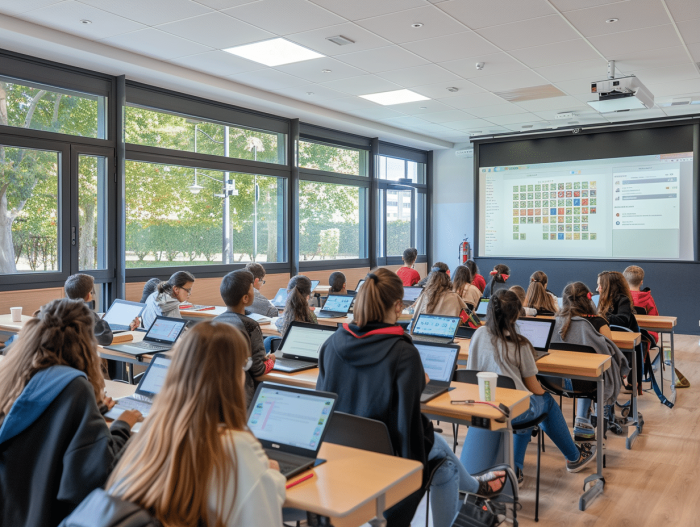
One of the flagship projects of the academy is the development of digital classrooms. These educational spaces, equipped with tablets and interactive whiteboards, allow for an innovative, student-centered didactic approach. Teachers receive specific training to make the most of these tools, thereby enhancing their digital competence.
Among the initiatives, the partnership with Éduthèque plays a decisive role. Created by the DNE, this service collaborates with renowned institutions such as the BNF, CNRS, and INA, providing rich and diverse educational content. These resources are integrated into curricula, enriching teaching materials and offering students new perspectives.
Key Players
- Yaël Briswalter: a member of the Grenoble Academy, she plays a fundamental role in implementing the digital strategy.
- Nathalie Reveyaz: also a member of the academy, she actively participates in the development and supervision of digital projects.
The Grenoble Academy demonstrates that the transition to digital, although complex, is achievable and beneficial. With a clear vision and strong partnerships, it positions itself as a model for digital education in France.