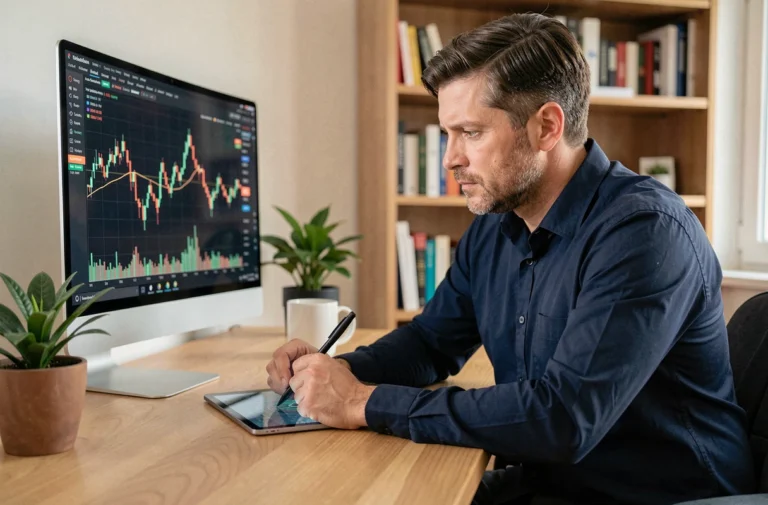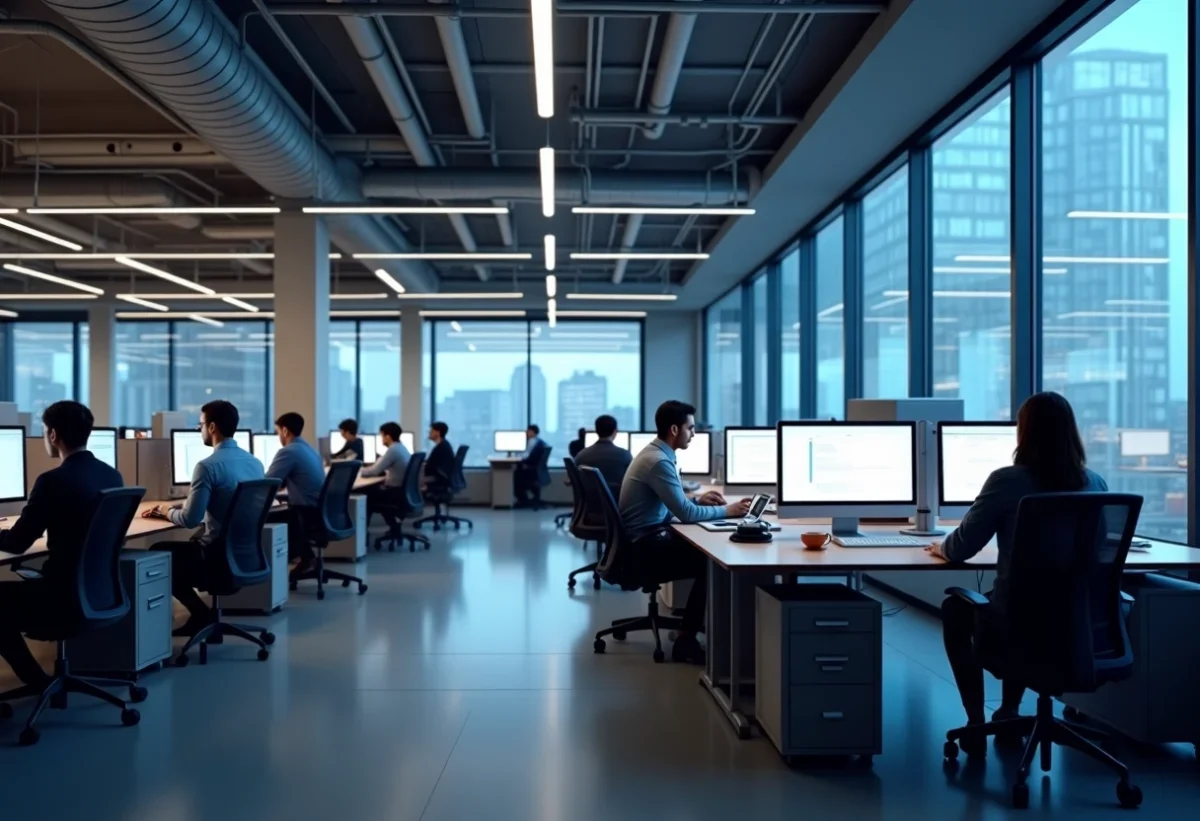
The way offices are arranged is rapidly evolving thanks to modern digital solutions. Online project management tools, collaboration platforms, and video conferencing software facilitate remote work and team organization. These technologies reduce dependence on physical space, making offices more flexible and adaptable.
Room booking applications and smart sensors help optimize the use of every square meter. This leads to more dynamic work environments where employee efficiency and well-being are at the forefront.
Modern digital solutions to optimize workspace
Modern digital solutions are redefining workspaces by bringing flexibility and performance. Many companies are adopting these technologies to optimize their traditional offices. Among the most commonly used tools are management software, communication platforms, and smart office technologies. Here are some examples illustrating this transformation:
- Digital collaboration tools: platforms like Microsoft Teams facilitate communication and project management remotely.
- Smart sensors: they manage lighting, air conditioning, and space usage in real-time, contributing to better energy performance of buildings.
- Programmable sit-stand desks: these ergonomic devices enhance employee well-being while optimizing workspace.
Management via MyPrimobox for files also plays a central role. It allows for the dematerialization of documents, thereby reducing the space needed for physical archives. These solutions not only improve surface management but also control expenses.
Smart office technologies, such as AI-driven climate control systems, help create a comfortable and sustainable work environment. Companies are also investing in mobile solutions and cloud computing to provide greater flexibility in the workplace. Digital workspaces, or Smart Offices, modernize offices by integrating advanced technologies to enhance well-being and quality of life at work.
These innovative tools are revolutionizing traditional offices, offering unprecedented optimization of workspace.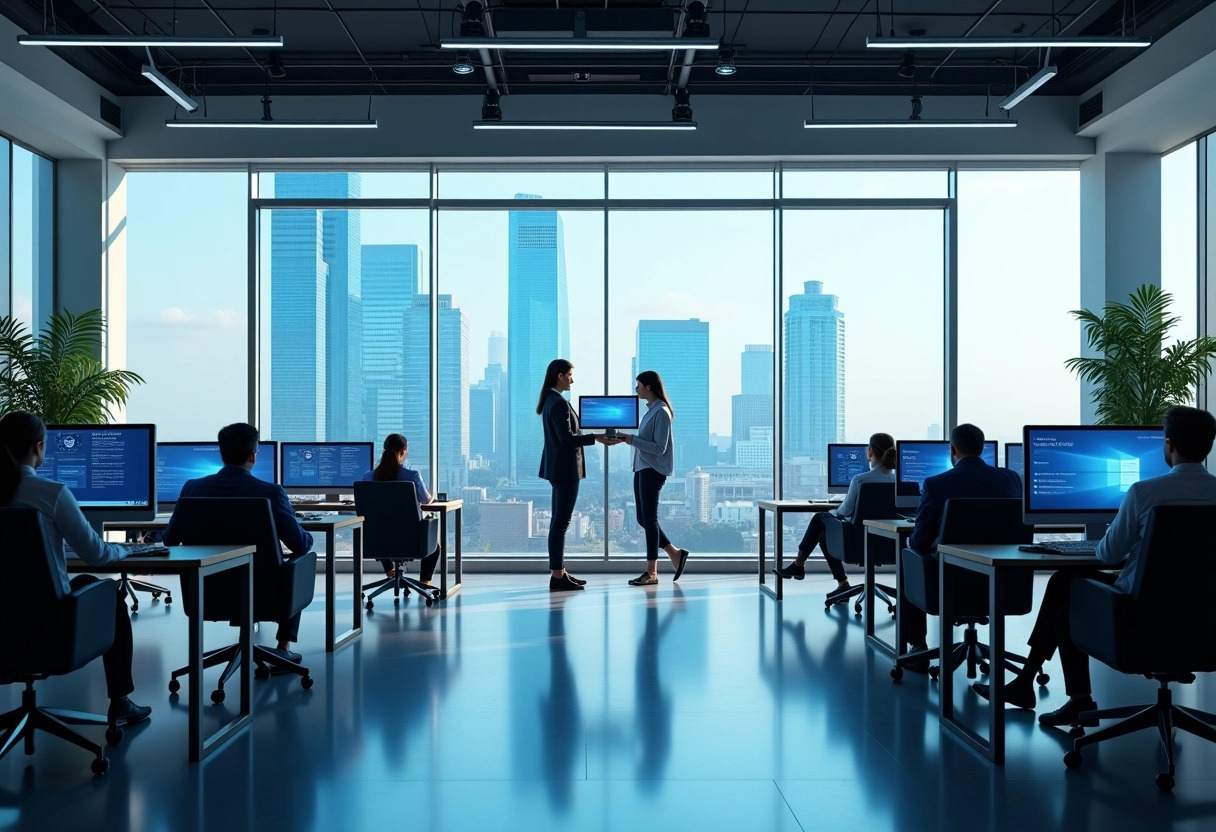
The benefits of digital transformation of traditional offices
Companies are investing in offices equipped with technologies to meet the needs of a modern work environment. These investments bring several significant benefits.
- Flexibility in the workplace: Digital solutions allow employees to work in a hybrid manner, combining remote work and in-office presence. This flexibility improves employee satisfaction by providing a better work-life balance.
- Reduction of operational costs: Implementing a flexible work model helps decrease costs related to real estate and energy. Space management technologies, such as IWMS and CAFM systems, optimize space usage and control expenses.
- Improvement of well-being and quality of life at work: Digital collaboration tools and ergonomic technologies, such as sit-stand desks, create a comfortable and stimulating work environment. The Smart Office, for example, modernizes workspaces and enhances QVCT (quality of life and working conditions).
The digital transformation also impacts the employer brand. Companies that are pioneers in advanced technologies attract and retain talent. The integration of sustainable solutions, such as green energy sources and IoT sensors, contributes to sustainable development and the green economy.
The adoption of these technologies transforms not only the physical space but also the work culture. Employees benefit from a more flexible and collaborative professional environment, encouraged by efficient digital tools. The impact of technology on office spaces is therefore significant, creating optimal working conditions for all employees.