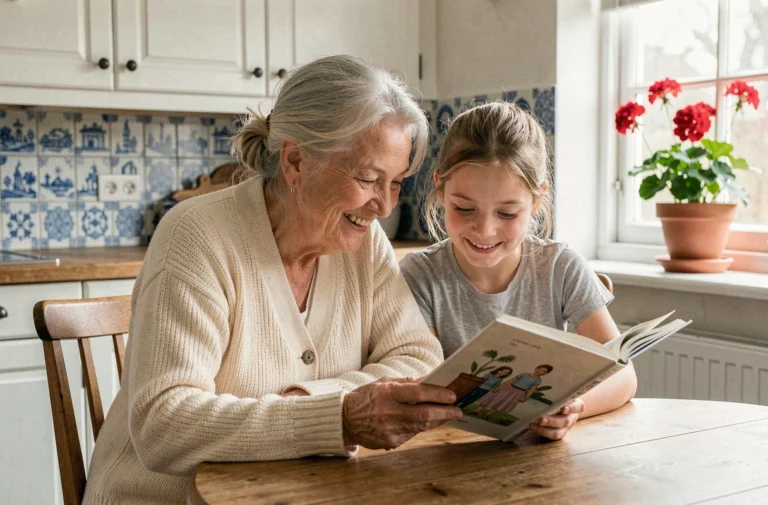
In Côtes-d’Armor, 22 volunteers circulate books between rural communities, run reading sessions in schools and stock reading corners in places where there is no bookshop. This kind of network, low-key but consistent, reflects a broader trend: the initiatives bringing literature to life today are no longer limited to Parisian book fairs or autumn book prizes.
Volunteer networks and access to books in rural areas
The Breton model in Côtes-d’Armor is based on simple logistics. Volunteers collect books, sort them and deliver them to communities without a municipal library. Links with schools ensure that children have access to recent books without relying on a family trip into town.
What sets these local networks apart from a simple book donation is their continuity. Volunteers return, refresh the selection and organise reading sessions with teachers. A one-off gesture becomes a local network that makes reading part of everyday life.
Similar initiatives exist elsewhere in France, run by associations or groups of municipalities. The principle is the same: bring books physically closer to readers rather than waiting for them to travel. Several cultural news stories featured on the Encrages website reflect this local buzz around books.
National reading events: numbers on a much larger scale
The major national events organised by the Centre national du livre have grown beyond the major cities. The 2025 edition of Partir en Livre generated more than 6,400 events in over 2,000 communities. In 2026, Les Nuits de la lecture passed the 8,500-event mark nationwide.

These events do more than set up a book stall in a community hall. They feature outdoor readings, writing workshops and meetings between authors and entire classes. Organising these events now requires dedicated professional expertise.
The tangible result: book festivals and reading nights now reach communities with just a few thousand residents, not only major cities with media libraries.
Programming co-created with young readers
The pass Culture does more than fund book purchases. For the 2026 edition of Biblis en folie, a literary evening was devised with pass ambassadors and members of its Book Club. The programme included readings, quizzes and a creative workshop, all held aboard a barge.
This format makes a difference in one specific way: young people help design the activities rather than simply attending them. They choose the texts to be read, set the tone for the evening and suggest activities. Literature becomes a way to bring people together as well as a cultural pursuit.
This approach addresses a practical challenge. Young adults aged 18–25 buy books using the pass Culture, but for most of them, reading remains a solitary activity. Group formats (reading parties, bookshop book clubs and themed evenings) turn reading into a shared experience.
Group formats that work in practice
- Reading parties, inspired by the Anglo-Saxon model, bring readers together in a venue (café, bookshop or barge) to read quietly together and then chat. Several festivals in France are beginning to include this format in their programmes.
- Book clubs at independent bookshops build a loyal local audience through monthly gatherings focused on a novel or a specific literary genre.
- Library writing workshops, often led by a writer in residence, give participants the chance to create their own work and read it aloud to an audience.
Literature beyond traditional venues: books in unexpected places
Taking books beyond the spaces where they are usually found (bookshops, libraries and book fairs) is not a new idea, but it is becoming more widespread. Hotels, cafés and heritage sites now host literary events to reach a different audience.
The venue shapes the audience. A novel presented in a hotel lobby reaches different people from one presented in a bookshop. Les Rendez-vous de l’histoire, which awards literary prizes each year in Blois, also shows how a themed festival (history, science or food) can introduce literature to people who do not think of themselves as “readers”.
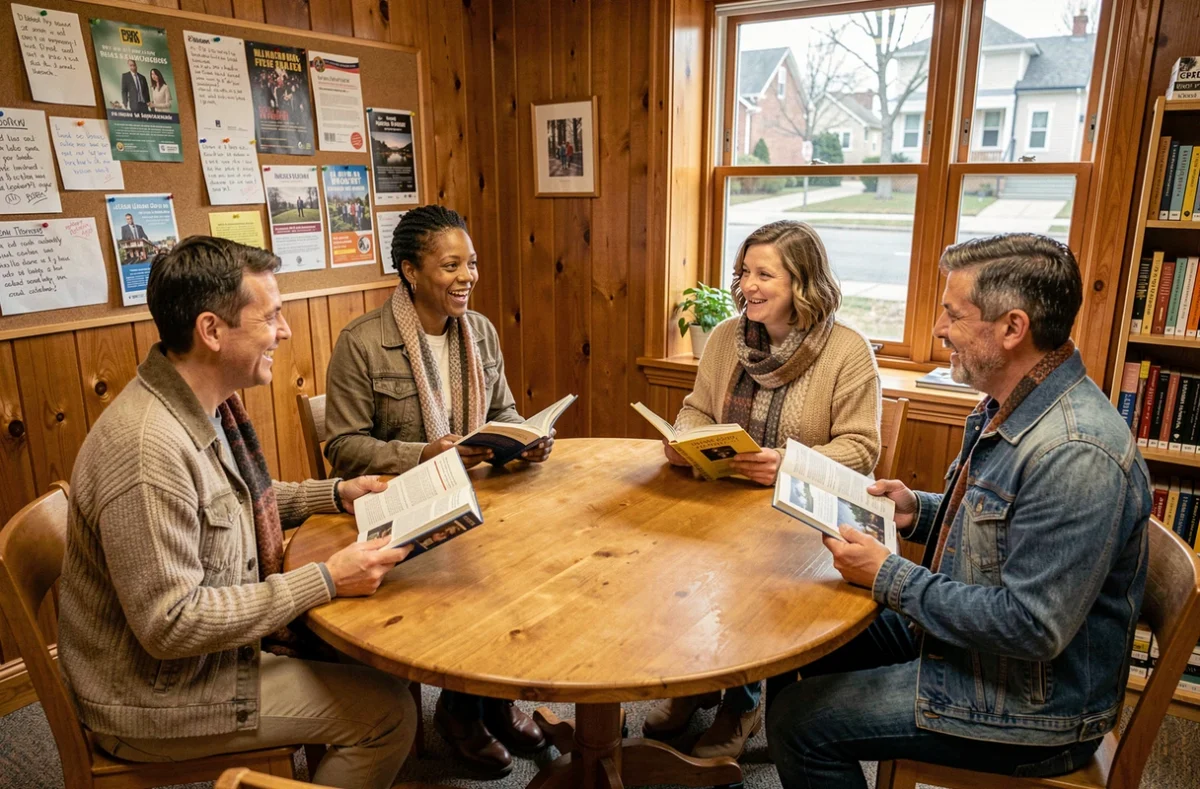
This approach to breaking down barriers has a measurable impact on attendance. Literary events held alongside a music festival, market or local celebration attract passers-by who would not otherwise have visited a book fair.
How these initiatives are changing the book industry
The roles of publishers, booksellers and librarians are evolving. Publishing is no longer just about producing and distributing a book. It also involves designing ways to engage audiences, building partnerships with local organisations (municipalities, schools and cultural venues) and tailoring programmes to local needs.
- Independent booksellers are becoming event organisers, hosting book signings, readings and workshops. This cultural mediation role requires a time commitment that not every organisation can manage.
- Librarians co-create activities for specific audiences (teenagers, older people and newcomers to France), going beyond simply lending books.
- Authors are taking up more writing residencies in rural areas and schools, funded by local authorities or the CNL, to maintain a direct connection with readers.
The #SauvonsLaLecture campaign, supported by the French book industry, is a reminder that these local initiatives depend largely on public funding for reading. Announced cuts to this funding are putting pressure on an ecosystem built on a fragile balance between volunteering, grants and local authority commitment. Volunteer networks, community festivals and evenings co-created with young readers all share the same need: stable funding to keep going beyond one-off events.