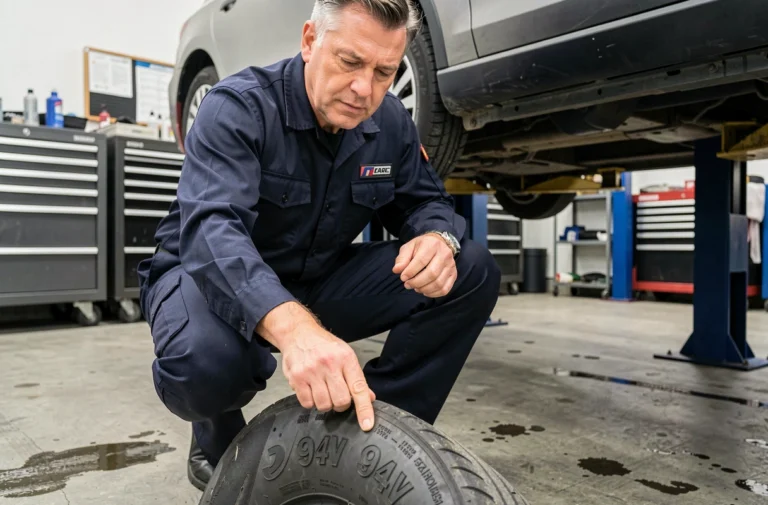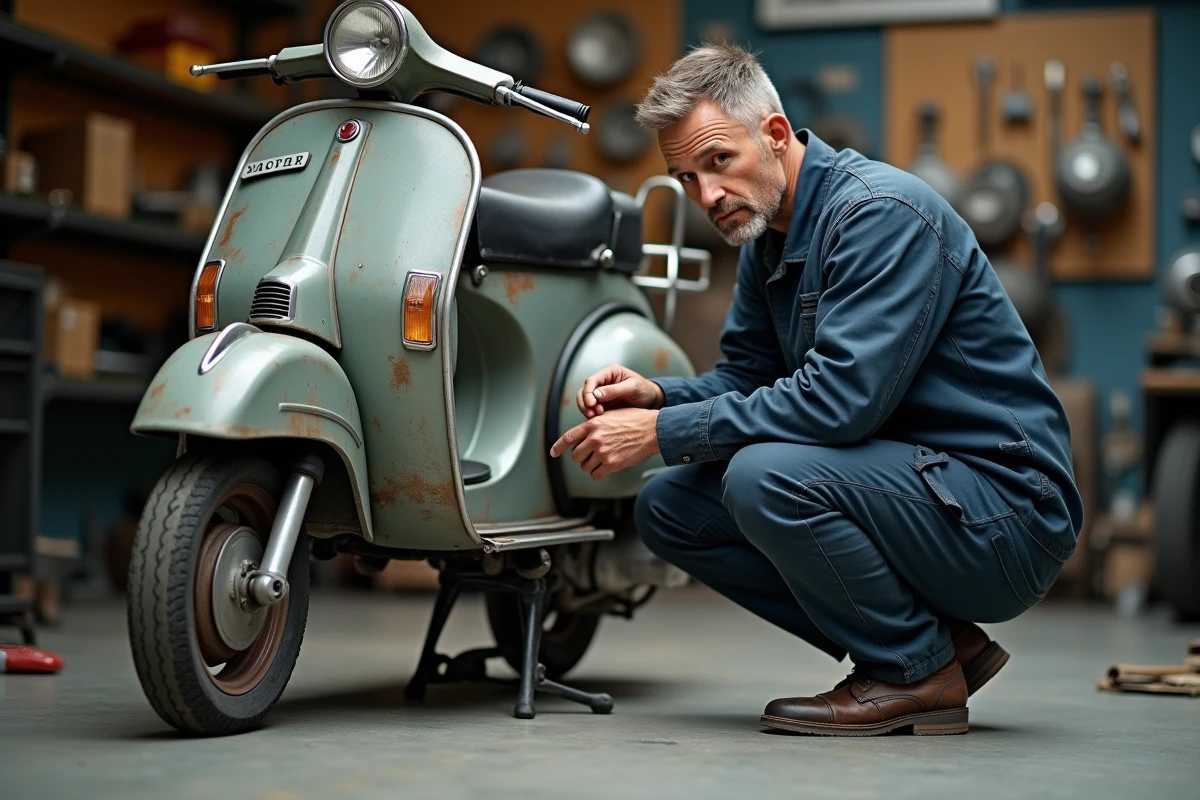
A 125cc scooter, maintained according to the manufacturer’s recommendations, can run well beyond what most owners imagine. The often-cited threshold of 50,000 km is not an absolute mechanical limit, but rather a point where certain peripheral components begin to show signs of advanced wear.
Transmission and Variator: Components That Fail Before the Engine
On a 125cc scooter, the engine is rarely the first component to cause problems. Technical inspection feedback shows that the transmission is the primary cause of perceived end-of-life, not the engine block.
On 125cc scooters with automatic transmission (variator + belt), failures related to the belt and variator increase significantly between 30,000 and 40,000 km. Worn rollers, a loose or cracked belt, a fatigued drive spring: these parts endure every acceleration and release of throttle. When the belt breaks, the scooter comes to a halt, and the bill rises if the variator has also suffered.
A preventive replacement of the belt and rollers costs significantly less than a repair after a breakage. To better understand the lifespan of a 125cc scooter in km, one must consider the transmission as the weak link, not the engine.
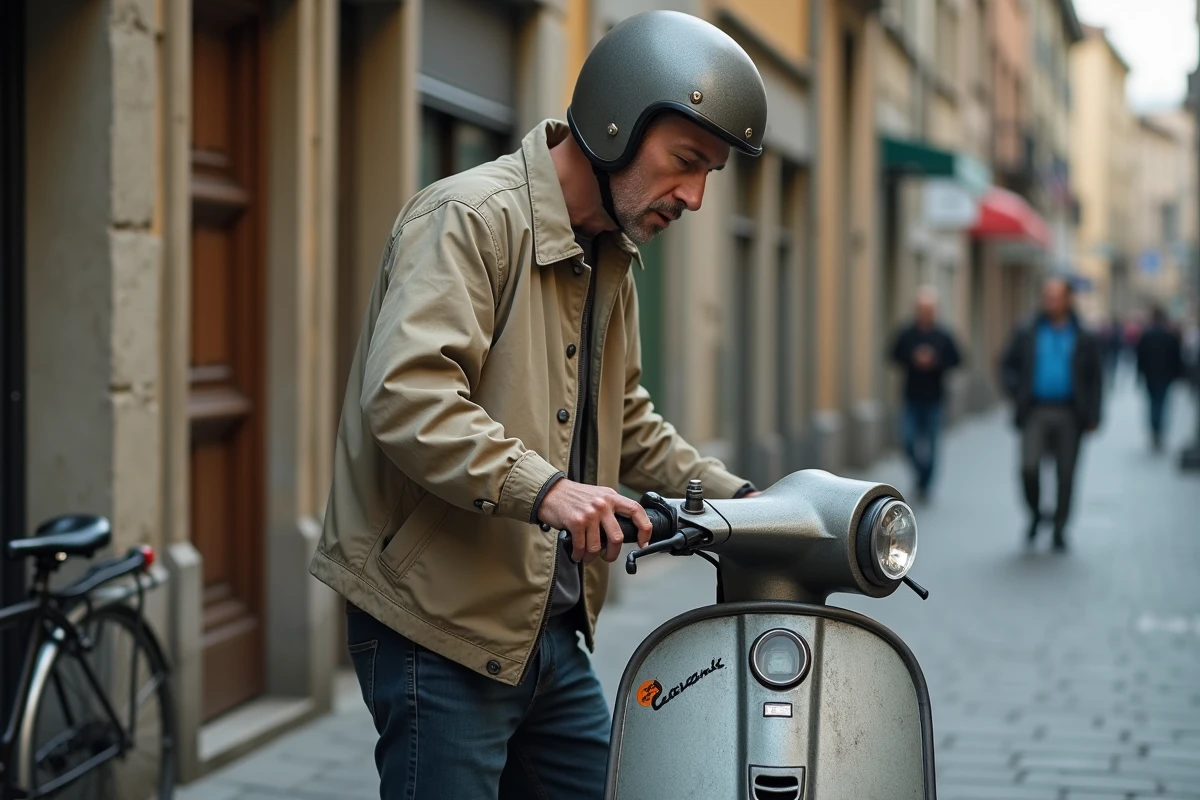
Japanese or Chinese 125cc Scooter: The Reliability Gap After 50,000 km
Not all 125cc scooters age the same way. Technical inspection reports confirm a clear gap: Japanese 125cc scooters (Honda, Yamaha, Suzuki) show fewer serious engine failures beyond 50,000 km than their European or Chinese counterparts.
A properly maintained Honda PCX or Yamaha NMAX can exceed 60,000 km without heavy intervention on the engine. The quality of alloys, machining precision, and robustness of the injection contribute to this longevity.
On a low-end Chinese scooter, manufacturing tolerances are wider. The result: gaskets that leak sooner, rings that wear out faster, an engine that consumes oil before reaching 30,000 km. The lower purchase price is paid for in maintenance and resale.
What Distinguishes a Durable Engine
- A well-calibrated injection system that maintains an optimal air-fuel mixture, reducing engine fouling over time
- Quality materials for the cylinder and piston, capable of withstanding thermal expansion without excessive play
- A properly sized cooling circuit (liquid or forced air) that prevents repeated overheating in the city
Urban or Suburban Use: Mileage Doesn’t Tell the Whole Story
A 125cc scooter showing 25,000 km exclusively in the city may be more worn than another with 45,000 km on the road. Feedback and data from specialized workshops support the same conclusion: short urban trips with many stop-and-go phases accelerate engine wear much more than regular road trips.
In the city, the engine rarely reaches its optimal operating temperature. The oil doesn’t heat up enough to expel moisture and combustion residues. Frequent restarts put stress on the starter, battery, and centrifugal clutch.
On the road or in suburban areas, the engine runs at a stabilized speed, the oil circulates at the right temperature, and the belt operates within a constant working range. This type of use promotes significantly greater longevity at equal mileage.
Warning Signals to Monitor Regardless of the Odometer
- An increase in oil consumption between oil changes, a sign of wear on the rings or valve guides
- A knocking noise from the variator during acceleration, indicating flattened rollers or a fatigued torque limiter
- Unusual vibrations at idle, often related to a degraded engine mount or an incorrect ignition timing
- A rear brake that loses bite, indicative of worn pads but sometimes also of an aging master cylinder
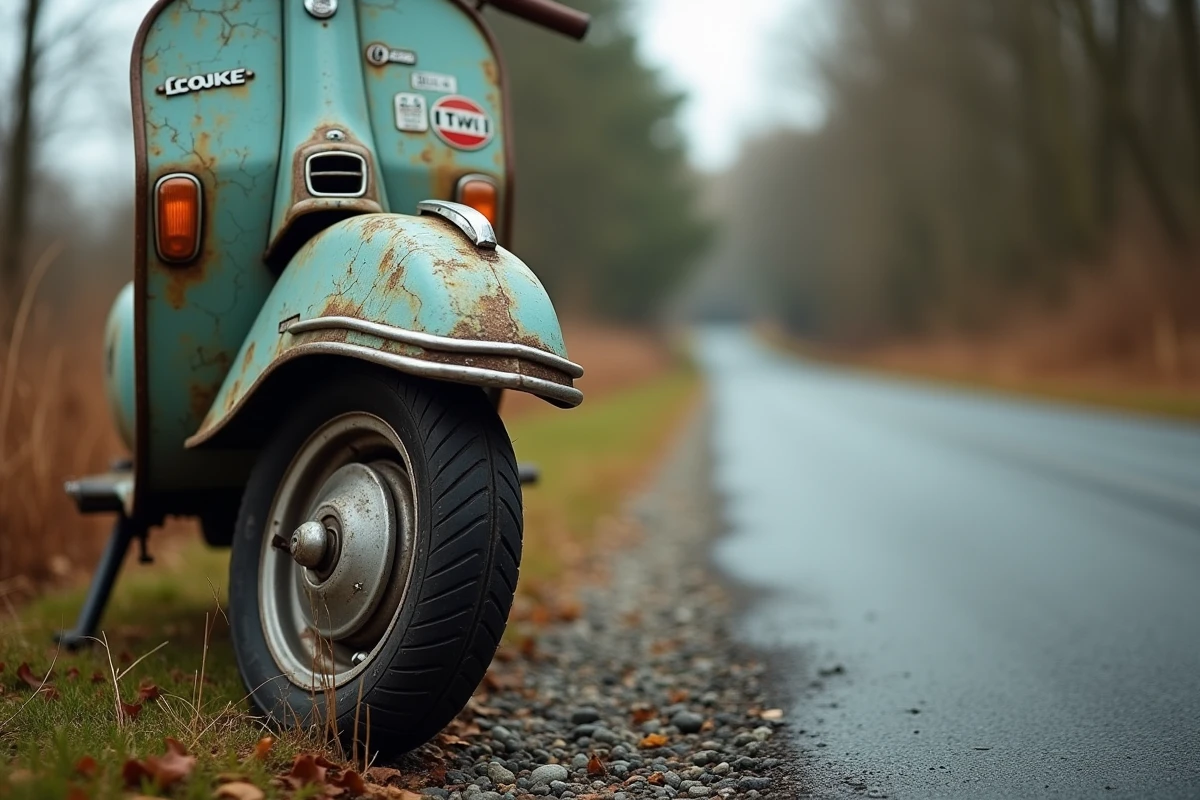
Preventive Maintenance: Intervals That Protect a 125cc Scooter Over Time
The longevity of a 125cc scooter depends less on the brand than on the regularity of maintenance. A few simple interventions, carried out at the right intervals, are enough to significantly push back the threshold of mechanical fatigue.
Engine oil changes remain the most protective action. On a 125cc scooter used daily, adhering to the interval recommended by the manufacturer (usually indicated in the maintenance booklet) prevents premature fouling of internal parts. In intensive urban use, slightly shortening this interval is never a waste of time.
Replacing the air filter deserves equal attention. A clogged filter weakens the mixture, raises combustion temperature, and accelerates cylinder wear. In dusty or polluted environments, checking it twice a year is reasonable.
The transmission belt should be replaced preventively, not after it breaks. Waiting for a breakage exposes the variator and torque limiter to costly collateral damage. Consulting the maintenance booklet for the recommended interval remains the most reliable method.
The coolant, on liquid-cooled models, loses its anti-corrosion properties over time. Neglecting it promotes the formation of deposits in the circuit, which gradually degrades cooling efficiency and shortens engine life.
A well-maintained 125cc scooter has no expiration date recorded on the odometer. Most Japanese models exceed 50,000 km without major engine intervention. What makes the difference is adherence to oil change intervals, preventive replacement of the belt, and regular monitoring of filtration.